
Ideal Coffee for French Press Brewing: A Guide to Choosing the Perfect Beans

French press brewing offers a unique way to enjoy coffee. It brings out rich flavors and a full-bodied texture that many coffee lovers appreciate. However, the quality of your brew depends heavily on the coffee you choose. Selecting the ideal coffee for French press can elevate your experience and highlight the best characteristics of this brewing method.
Understanding the Ideal Coffee for French Press
When selecting coffee for a French press, it is important to consider the roast level, origin, and flavor profile. French press brewing allows the coffee oils and fine particles to remain in the cup, which enhances the mouthfeel and depth of flavor. Therefore, the coffee you choose should complement this style.
Roast Level: Medium to dark roasts work best. They provide a balance of acidity and body that suits the French press method. Light roasts can taste underdeveloped or overly acidic, while very dark roasts might taste bitter or burnt.
Origin: Single-origin coffees from regions like Ethiopia, Colombia, or Sumatra offer distinct flavor notes that shine through in a French press. These beans often have fruity, nutty, or earthy undertones.
Freshness: Freshly roasted beans are essential. Coffee starts to lose its flavor soon after roasting, so buying small batches or freshly roasted beans ensures a better cup.
Choosing beans with these qualities helps create a rich, flavorful brew that highlights the strengths of French press coffee.
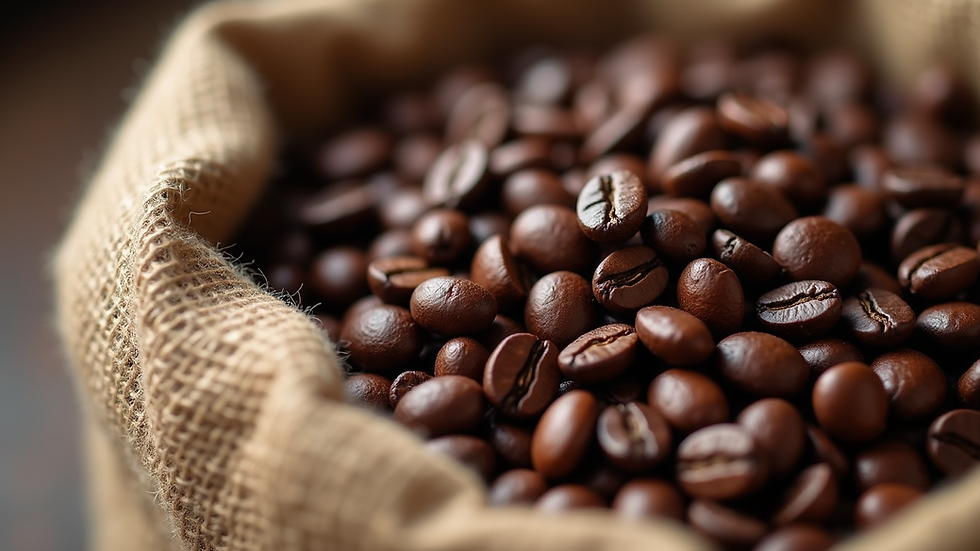
How Roast Level Affects French Press Coffee
The roast level influences the taste and body of your coffee. For French press brewing, medium and dark roasts are generally preferred.
Medium Roast: This roast level preserves the unique flavors of the coffee’s origin while adding a slight sweetness and balanced acidity. It produces a smooth cup with moderate body.
Dark Roast: Dark roasts bring out bold, smoky, and chocolatey flavors. They create a heavier body and a more intense taste, which some coffee drinkers enjoy in their French press.
Light Roast: While light roasts have bright acidity and complex flavors, they can sometimes taste thin or overly sharp when brewed in a French press. The immersion method tends to emphasize their acidity, which may not appeal to everyone.
Experimenting with different roast levels can help you find the perfect balance for your taste preferences.
What Coffee Grind Is Best for a French Press?
The grind size is crucial for French press brewing. The ideal grind is coarse and consistent. Here’s why:
Coarse Grind: A coarse grind prevents over-extraction and reduces sediment in the cup. It allows water to flow evenly through the coffee grounds during the steeping process.
Consistency: Uniform grind size ensures even extraction. Uneven grounds can cause some coffee to be over-extracted and others under-extracted, leading to a bitter or weak brew.
Avoid Fine Grinds: Fine grinds can slip through the mesh filter, resulting in a gritty texture and excessive bitterness.
Using a burr grinder is the best way to achieve a consistent coarse grind. Blade grinders often produce uneven particles, which can negatively affect the flavor.

Flavor Profiles That Complement French Press Brewing
French press coffee tends to have a fuller body and richer flavor compared to other brewing methods. Certain flavor profiles work particularly well:
Chocolate and Nutty Notes: These flavors are enhanced by the full immersion brewing process. Coffees with chocolate, hazelnut, or almond undertones create a smooth and comforting cup.
Fruity and Floral Notes: Coffees from regions like Ethiopia or Kenya often have bright, fruity flavors. When brewed in a French press, these notes can be more pronounced and vibrant.
Earthy and Spicy Notes: Coffees from Sumatra or other Indonesian islands often have earthy, spicy, or herbal characteristics. These flavors add complexity and depth to the brew.
Choosing coffee with these flavor profiles can help you enjoy a more nuanced and satisfying cup.
Tips for Brewing the Best Coffee with a French Press
To get the most out of your coffee, follow these practical tips:
Use Fresh, Filtered Water: Water quality affects taste. Use clean, filtered water heated to about 200°F (just off boil).
Measure Coffee and Water: A common ratio is 1:15 (1 gram of coffee to 15 grams of water). Adjust to taste.
Steep Time: Let the coffee steep for 4 minutes. Longer steeping can cause bitterness.
Press Slowly: Press the plunger down gently to avoid disturbing the grounds.
Serve Immediately: French press coffee can become bitter if left on the grounds too long. Pour and enjoy right away.
These steps help you extract the best flavors and avoid common pitfalls.
Exploring the Best Coffee for French Press
If you want to explore options, consider sourcing beans from specialty roasters who focus on small-batch roasting and direct-sourced beans. These roasters often provide detailed information about the coffee’s origin, roast date, and flavor notes.
For example, Blue Mist Coffee Roasters offers a selection of beans that are ideal for French press brewing. Their commitment to quality and unique flavor profiles makes them a great choice for those looking to enhance their coffee experience.
You can find the best coffee for french press through specialty roasters who prioritize freshness and quality.
Enhancing Your French Press Experience
Beyond coffee selection, consider investing in quality brewing equipment. A sturdy French press with a fine mesh filter ensures minimal sediment and a clean cup. Additionally, a burr grinder and a reliable kettle with temperature control can improve consistency.
Experiment with different beans, grind sizes, and steeping times to discover what suits your palate best. Keeping a brewing journal can help track your preferences and adjustments.
Enjoying coffee brewed with a French press is a rewarding ritual. With the right beans and technique, you can savor a rich, flavorful cup every time.


Comments